
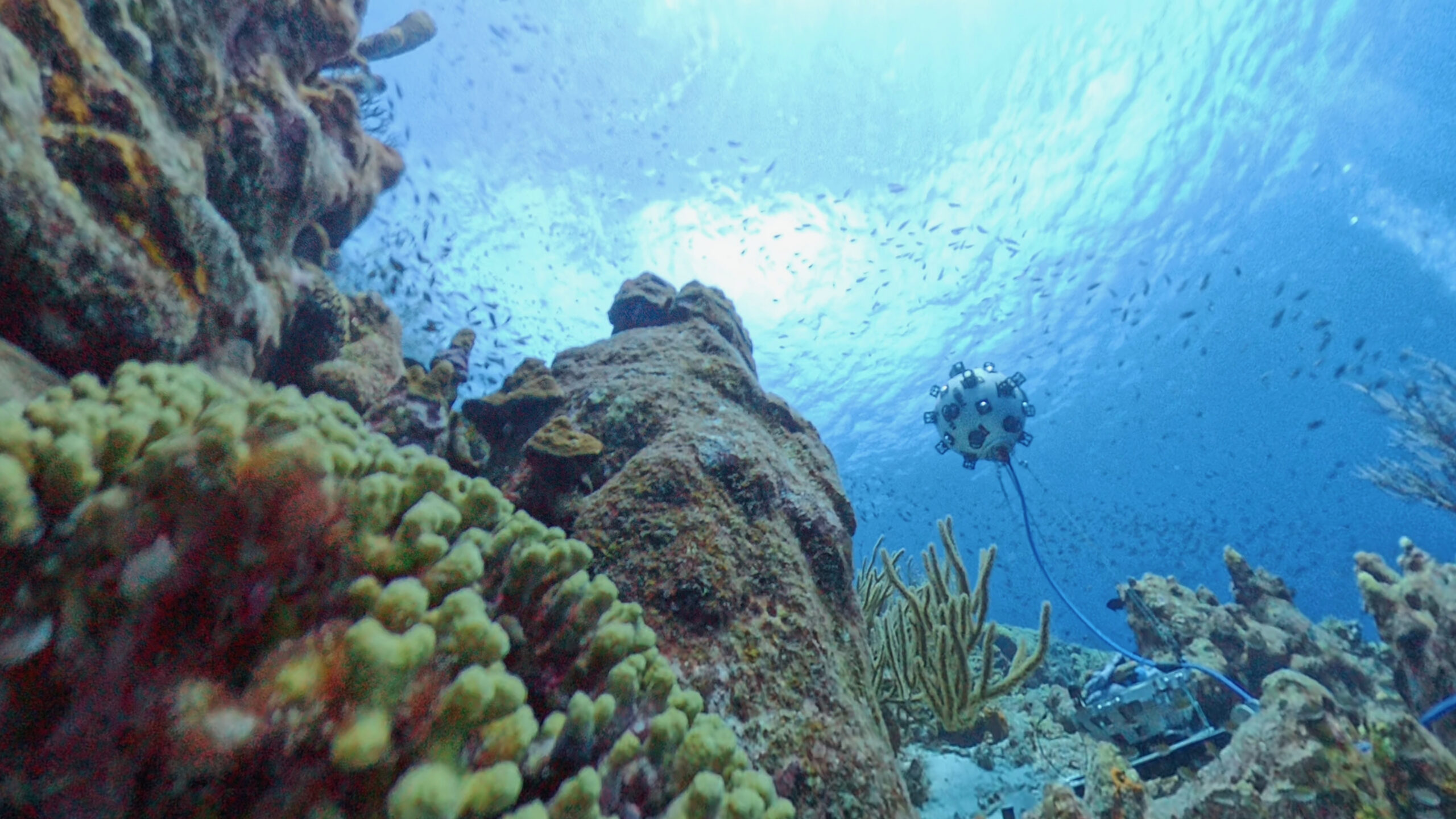
We are looking for proposals centered on the development of novel technologies with a Technology Readiness Level (TRL) in the 2 to 6 range, or related projects that fall within our four focus areas.
Our goal is to tailor our assistance to the needs of individual groups and to provide long-term support for efforts that show the most promise.
We will consider support for anyone working on an innovative idea with the potential for significant impact, whether at a university, for-profit, or non-profit.
In June 2026, we will begin accepting short applications. If you are developing a technology with commercialization or significant scaling potential, we encourage you to submit an initial project synopsis proposal. We will notify you by September 1, 2026, if we’d like a full proposal. We accept applications from all geographic regions.
Important Dates
In June 2026, we will begin accepting short applications.
Accepting Initial Proposals
Jun 1, 2026
Proposal Portal Closes
Jul 31, 2026 (12PM PST)
Proposal Review Period
Aug 1, 2026- Sep 15, 2026
Funding Awarded
Fall 2026
Funding Focus Areas
Sustaining Fisheries
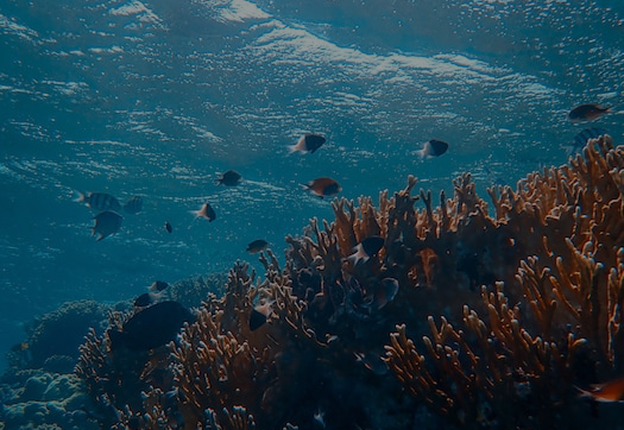
Technologies that reduce bycatch, reduce ghost gear, survey fish populations, increase seafood supply-chain transparency, increase transparency at sea, redesign gear for increased sustainability, monitor protected marine areas, and improve enforcement, along with any other technology that increases the sustainability of the world’s wild-caught fisheries.
Habitat Health
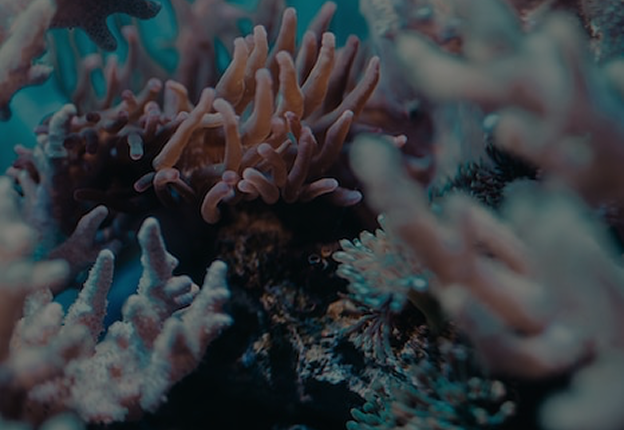
Technologies that restore balance to ocean ecosystems. This includes technologies for the restoration and/or protection of key marine species, such as seaweed, seagrass, shellfish, and coral. We are also looking for technologies that monitor, mitigate, or prevent coastal pollution or reduce the harm caused by invasive species.

Ocean Observing
Technologies that significantly expand ocean monitoring capabilities for restoration work or related research. This includes novel sensor technologies, technologies for ocean data collection, processing, and sharing, or any other technology that allows researchers to do their work more cheaply, longer, or over a larger geographic scope.
Network Support
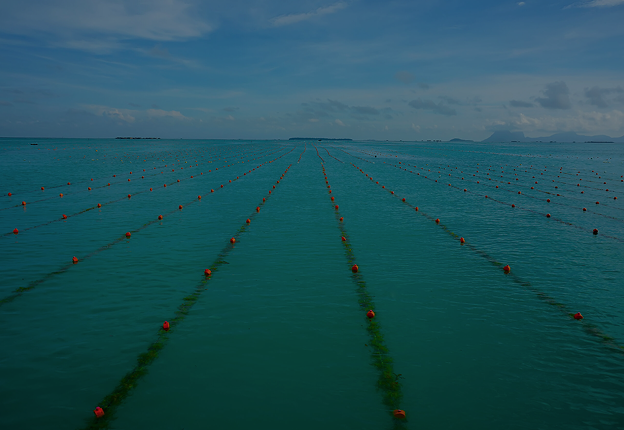
Groups building services and tools to support the operational backbone of the marine tech community. This includes ocean challenges and competitions, incubators, accelerators, community infrastructure, and more. We also fund certain community groups that are deploying new technologies to address ocean conservation issues within their region.
Note
We do NOT currently fund projects related to oil spill cleanup, marine renewable energy, shipping efficiency and emissions, or commercial aquaculture. We also do not fund basic scientific research.
FAQs
Don’t see an answer to your question here? Reach out.
General
Schmidt Marine funds the development of novel technologies that solve ocean problems. For details, please see Funding Focus Areas.
We do not currently fund projects related to oil spill cleanup, marine renewable energy, shipping efficiency and emissions, or commercial aquaculture. We also do not fund basic scientific research.
Our focus is on helping great ideas for ocean technologies reach the world. In that pursuit, we are happy to work with universities, non-profit organizations, or start-up companies. We do not make grants to individuals outside of universities, non-profit organizations, or start-up companies.
We are happy to consider technologies in any development stage, but are mostly focused on early-stage development and cannot support basic science.
TRL stands for Technology Readiness Level. We typically begin supporting projects when they are in the 2-6 range
While we offer 12-month grants, we prioritize scaling. Many projects receive annual renewals based on progress in each cycle, with the majority of grantees supported for three years or more.
All applications that meet our criteria will be considered, regardless of previous funding history.
Timeline & Application Process
Our proposal portal is open for a short window, generally in the summer. If your proposal is a potential fit for us, we will follow up to request additional information, including a more detailed proposal. For details, see Important Dates for the round of funding you plan to apply for.
We will notify all teams by September 1, 2026, to let them know whether or not they should submit a full proposal for review.
Initial proposals submitted after the July 31, 2026, deadline will not be considered.
We plan to fund some grants through this call for proposals in the last quarter of 2026. However, compelling proposals outside of our 2026 budget will be considered for the following year.
Funding
Most grants are between $100,000 and $400,000. Future funding is dependent on adequate project progress, continued charitable impact, and our board’s approval.
We will not be funding a set number of projects. Instead, we will set funding levels for each project individually, so the total number of awards will not be determined until the review process is complete.
All Schmidt Marine funding is non-dilutive. Funding is typically provided as a grant. For for-profit groups, we work to ensure that funded work is charitable. At times, this may involve a for-profit company working with a non-profit partner, special IP provisions, or other creative solutions.
Evaluation
A team of academic, industry, and government experts works with us to review proposals.
No. All proposals will be kept confidential and seen only by reviewers who are either (a) employees, (b) under an advisory agreement with a confidentiality provision or (c) NDA.
No. Due to the volume of initial proposals expected, we will not be able to provide written feedback to individual groups. If a proposal is selected for full review, relevant feedback will be provided to help groups finalize their full proposals.
Technical Review
- Feasibility: The innovation is feasible based on its proposed technology, team, financial merits/budget, and timeline.
- Impact Potential: The innovation is novel and solves a fundamental problem.
Impact
- Environmental impact: The innovation will make a significant contribution to restoring the health of key habitats, increasing sustainability, and/or expanding ocean understanding.
- Scalability: The innovation has growth potential based on competitive advantage, demand, customer base, value proposition, and/or business model.